The trail can be long sometimes
You're reading this at a time most people wouldn't choose. Maybe it's late. Maybe things have been off for a while and you finally typed the words into a search bar instead of just thinking them over again in your head. The veteran in your life, a spouse or partner, a parent, an adult child, a sibling, a friend, isn't quite the person who left. Something changed, and you don't know what to do about it. You're not alone in this, and you're not wrong to be worried.
IF THIS IS AN EMERGENCY, START HERE
If the veteran in your life is talking about suicide, has a plan, or you're scared for their safety right now, call the Veterans Crisis Line. Dial 988, then press 1. You can also text 838255 or chat online at veteranscrisisline.net. It is free, confidential, available every hour of every day, and the veteran does not need to be enrolled in VA benefits to use it. Trained responders answer, not a recording.
This is not something Montana Vet Program offers. MVP is not a crisis service, and nothing on this page is a substitute for one. If this is an emergency, the Veterans Crisis Line is the right call, not this website. Make that call first, then come back to the rest of this if you want to.
WHAT YOU'RE PROBABLY SEEING
You're not imagining it. People come home from service different, and it isn't always loud. Sometimes it's quiet: more time alone, a shorter fuse over small things, trouble sleeping, less interest in people and plans that used to matter, a flatness where there used to be more. Sometimes it's louder: irritability that shows up out of nowhere, restlessness, a veteran who seems to be waiting for something bad to happen even in a quiet room, or someone who used to sleep fine and now doesn't. You might be watching someone pull away from the family routine, turn down invitations they'd have jumped at before, or go quiet in a way that feels like a door closing.
None of this means something is permanently wrong with the veteran in your life. It means the transition out of service is hard, and a lot of what gets called handling it alone is really just a person carrying something they were never built to carry by themselves. Service builds a version of a person suited to a specific world, with its own pace, its own rules, and its own kind of camaraderie. Coming home means rebuilding a different version for a different world, and that takes longer than most people expect, from the veteran and from everyone around them. There's no set timeline for it, and comparing your veteran's pace to someone else's story you read online rarely helps either of you.
This isn't a diagnosis, and we're not offering one here. Only a professional can tell you what's actually going on for your veteran. What we can tell you is what we've watched work, over and over, for veterans who felt exactly the way yours might feel right now.
YOUR VETERAN ISN'T BROKEN
It's easy to start seeing the veteran in your life as fragile once you notice they're struggling. Resist that. A veteran who is having a hard time isn't a victim, and treating them like one, even quietly, even with the best intentions, tends to make things worse, not better. They trained for discipline, for carrying weight, for getting through hard things alongside people who had their back. That capability didn't disappear. It's still in there, and most of what helps isn't about fixing something broken. It's about giving that capability somewhere real to go again.
Pity doesn't help a veteran. Respect does. The most useful thing you can offer right now isn't sympathy, it's believing your veteran is still capable of hard things, including this one. That belief shows up in small ways: the tone you use when you bring something up, whether you talk to them like someone who can handle a hard conversation or someone who might break from it, whether you treat this as a setback in a capable person's life or proof that something in them is permanently gone. It isn't. The version of them that got through training, through deployments, through everything the uniform asked of them, is still the person sitting across from you.
WHAT ACTUALLY HELPS
Isolation is usually the real problem, not weakness. Veterans who struggle after service often describe the same thing in different words: nobody else gets it, and trying to explain it to someone who wasn't there is its own kind of exhausting. That's why peer connection, veterans talking to veterans, tends to matter more than almost anything else a family member can offer on their own, no matter how much you love them or how hard you try.
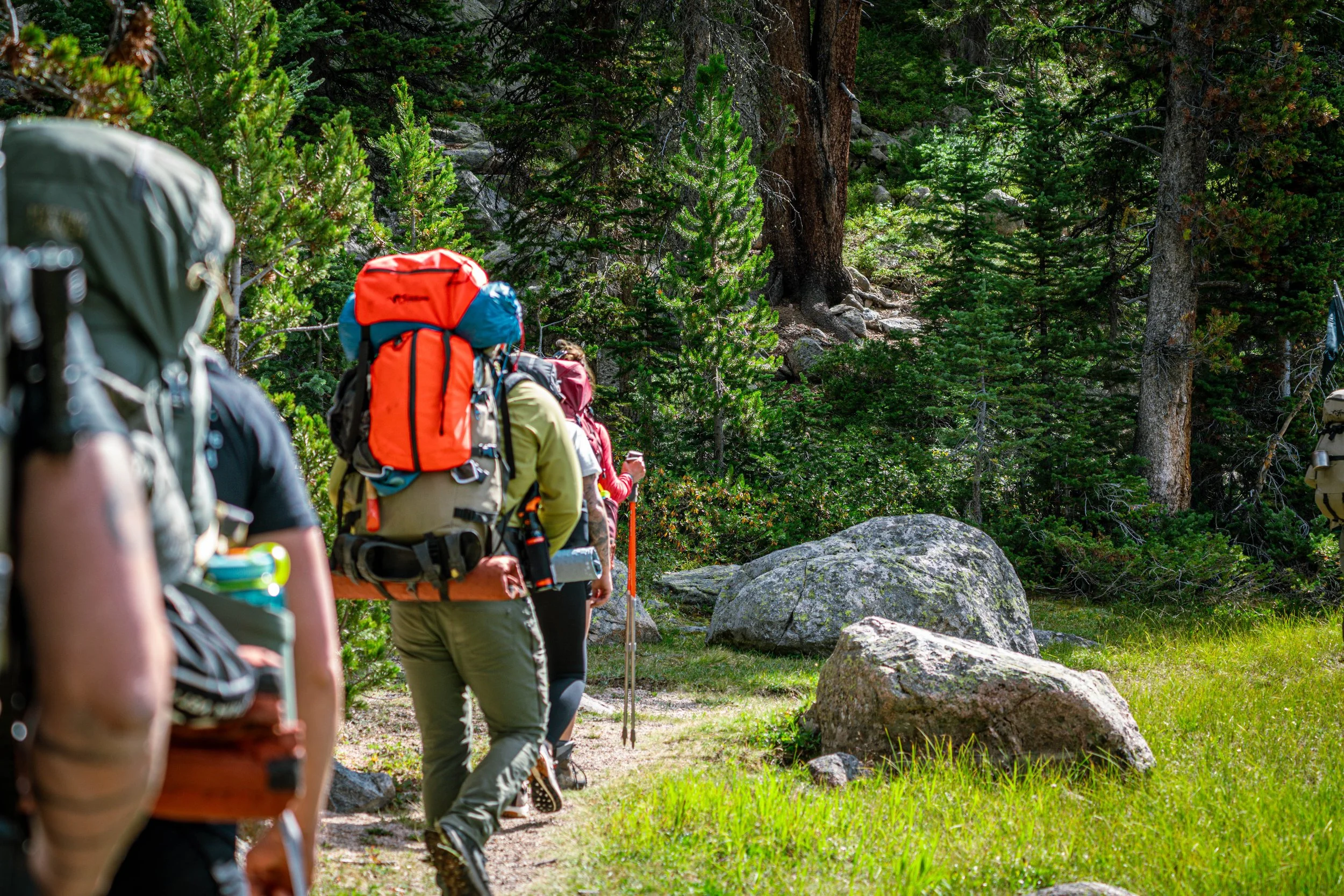
Add real physical challenge and real time outdoors, away from screens and the constant noise of daily life, and you get something that has helped a lot of veterans find their footing again. Physical effort gives a restless mind somewhere to go. Being outdoors, away from the routines that haven't been working, gives a person room to actually notice how they're doing instead of just pushing through another day. Doing it alongside other veterans, instead of alone, takes the loneliest part of the struggle off the table entirely. A conversation that would feel impossible sitting across a kitchen table sometimes happens easily on a trail or around a fire, because nobody has to look anybody in the eye to say it, and everybody there already understands the shorthand.
None of this fixes anything by itself. It gives a person room to reset, and room is sometimes the thing that's been missing the whole time.
A PEER LED TRIP IS A REAL OPTION
This is where Montana Vet Program comes in. We're based in Great Falls, Montana, and we run Veteran Led Therapeutic Adventure Trips, VLTATs for short, multi day trips in the Montana backcountry led entirely by veteran team leaders, not clinicians, not counselors, veterans who have been where your veteran is right now. Every team leader is PsychArmor Veteran Ready certified and trained to work with veterans. We are not offering counseling or clinical treatment. Montana is the therapist. We just get people there.
Groups stay small on purpose. A handful of veterans and a couple of team leaders, not a crowd, because the point is real conversation and real connection, not a managed program experience where nobody actually talks to anybody. Team leaders aren't there to run a curriculum at participants. They're there because they've carried the same weight, and they know what it's like to sit around a fire with people who don't need the backstory explained before they understand it.
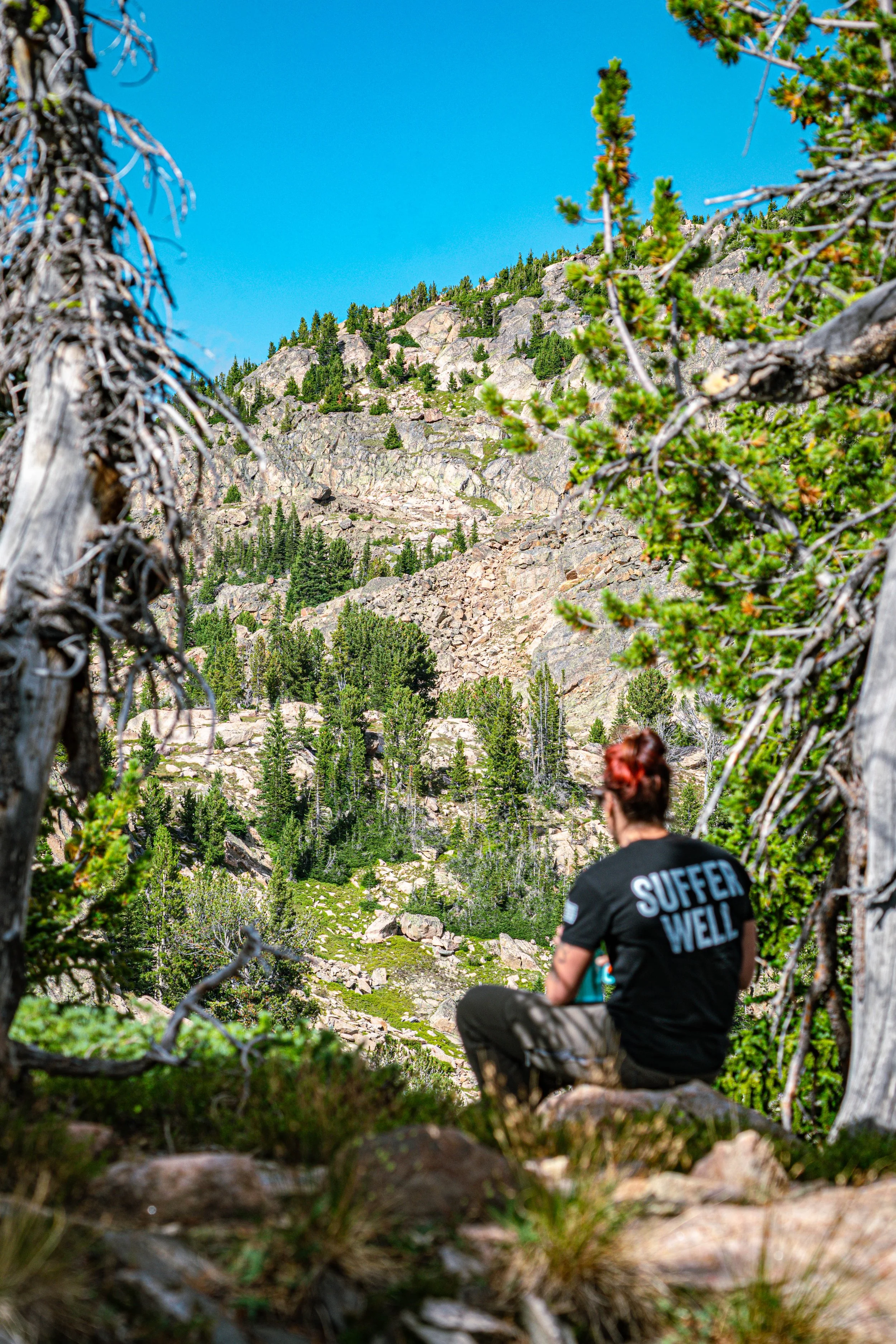
These trips are gear supported and comfortable, not a survival course. Participants get real gear, real food, and real instruction on how to be outdoors well, not how to suffer through it. There's no fixed wake time. Coffee happens before the morning routine, then the group breaks camp and moves. A few classes get worked into each day, and the rest of the time is unstructured, fishing, talking, covering ground, sitting around a fire at night. Trips run four days and three nights, built around physical challenge, peer camaraderie, and real time in nature. Floats happen on the Smith River, and hikes happen in Montana backcountry we keep general on purpose. We serve veterans nationally, any branch, any era, no combat requirement and no minimum length of service. If you want the specifics, what to bring, how it works, what it actually costs, the Trip FAQ answers most of what people ask before they ever sign up.
THE WEIGHT WE CARRY TOGETHER
Every VLTAT carries something most trips never do: the Pig Egg, a 75 pound traveling memorial holding 7,054 dog tags, one for every U.S. service member lost in Iraq and Afghanistan. It isn't decoration, and it doesn't stay behind at the trailhead. Every morning it gets split into portions, and every veteran on that trip carries a piece of it, on the water or on the trail. Every night, those pieces come back together at the fire.
We carry it because it works. It reminds the veterans on that trip of the people who never got to come home, and it reminds the ones who did that whatever weight they're carrying, memory, guilt, grief, anything, doesn't have to be carried alone. The service members in that memorial didn't get the rest of their lives. The veterans carrying it still have theirs, and the Pig Egg is part of how a trip teaches them to actually live it, not just get through it. That's the healing journey this trip is built around, honoring what was lost while choosing, deliberately, to keep going.
WHAT THIS TRIP IS NOT
We'd rather be straight with you than oversell this. A VLTAT is not therapy, and it isn't a replacement for professional mental health care if your veteran needs it. It won't erase whatever has been hard since they came home, and it isn't a cure for anything. What it is, honestly, is four days of hard physical work, real nature, and other veterans who understand without needing it explained. For a lot of veterans, that combination opens a door that nothing else had. For some, it's one piece of a bigger picture that includes other kinds of support too. We'd rather tell you that plainly than let you expect more than a trip can actually deliver.
WHAT YOU SHOULD NOT DO
Do not push. Do not hover. Do not send this page with a message that reads like an ultimatum. Veterans can feel pressure from a mile away, and pressure usually backs someone further into the corner you're trying to get them out of. Your job isn't to drag your veteran into a decision. It's to put the door in front of them and let them choose to walk through it on their own time.
Avoid making this about your own fear, even when the fear is real and justified. Saying "I'm scared I'm going to lose you" is honest, but it puts the weight of your feelings onto a person who's already carrying plenty. A steadier version lands better: "I found something that might be worth a look. No pressure, just wanted you to have it." Say it once. Mean it. Then let it sit instead of bringing it up again every week.
IF THEY SAY NO
They might. The first time you bring this up, or the fifth, your veteran may not be ready, and that isn't a failure on your part or theirs. Timing matters more than most people expect. A veteran who says no in January might say yes in June, not because anything you did changed their mind, but because they got there on their own schedule. Keep the door open without standing in it. Mention it once, mean it, and then let your veteran know it isn't going anywhere if they want to look at it again later.
WHY A PEER ASKING WORKS BETTER THAN YOU ASKING
Here's the part that's hard to hear. You asking probably won't be what moves things. A peer asking tends to land better than a family member asking, nearly every time. It isn't personal, and it isn't a reflection of how much your veteran cares about you. A spouse, a parent, a sibling, none of them were there, and your veteran knows it, even if nobody says it out loud. Another veteran asking carries a kind of credibility that family can't manufacture, no matter how much you love them.
If your veteran has a friend who served, even someone they haven't talked to in years, that person's voice may carry more weight on this one subject than yours will. It's worth reaching out to that friend directly and asking them to pass the link along, instead of only sending it yourself. That doesn't mean your voice doesn't matter. It means this particular ask travels further coming from someone who's been in it too.
TAKE CARE OF YOURSELF TOO
Worrying about a veteran you love is its own weight to carry, and it's easy to let that disappear behind their struggle instead of your own. It doesn't. Watching someone you care about pull away, go quiet, or struggle with things that used to come easy takes a real toll, and pretending it doesn't just adds one more thing nobody's talking about in the house. You're allowed to be tired. You're allowed to need support of your own, whether that's a friend who'll actually listen, a professional, or just a night where you're not managing anyone's wellbeing but your own. Taking care of yourself isn't a distraction from helping your veteran. A steadier version of you is better positioned to help than a burned out one, and that's true whether this takes a month or a few years to work through.
IF YOU WANT MORE GUIDANCE
Montana Vet Program isn't a counseling service, and this post isn't a complete guide to supporting a veteran through a hard stretch. The VA runs Make the Connection, with guidance written specifically for family members who've noticed a veteran they love is struggling, real stories from other families who've been where you are, and more on starting the conversation. It's a solid next stop if you want more than what fits on this page.
ONE THING YOU CAN ACTUALLY DO TONIGHT
You don't need a plan, and you don't need the right words. Send your veteran the link to the VLTAT page and let them read it on their own time. That's genuinely all you need to do right now. The rest isn't yours to carry.