
Inside Montana Backcountry Immersion: Survival Training From Naked and Afraid Alumni and a Green Beret Medic
Inside Montana Backcountry Immersion: Survival Training From Naked and Afraid Alumni and a Green Beret Medic
If you found this because you saw Laura Zerra or Steven Lee Hall Jr's name attached to a Montana event and wondered whether it's an actual course or just a meet and greet with people who used to be on your TV, here's the direct answer. It's real. Four days, real instruction, real survival skills, taught by people who've done this when there was no production crew ready to step in if it went wrong.
Some people call it survival immersion. That's not the name. It's Montana Backcountry Immersion, or BCI, and it's Montana Vet Program's biggest civilian fundraiser. You don't need a military background to attend. You don't need any prior experience. You need four days and a willingness to actually work.
Who's Actually Teaching This
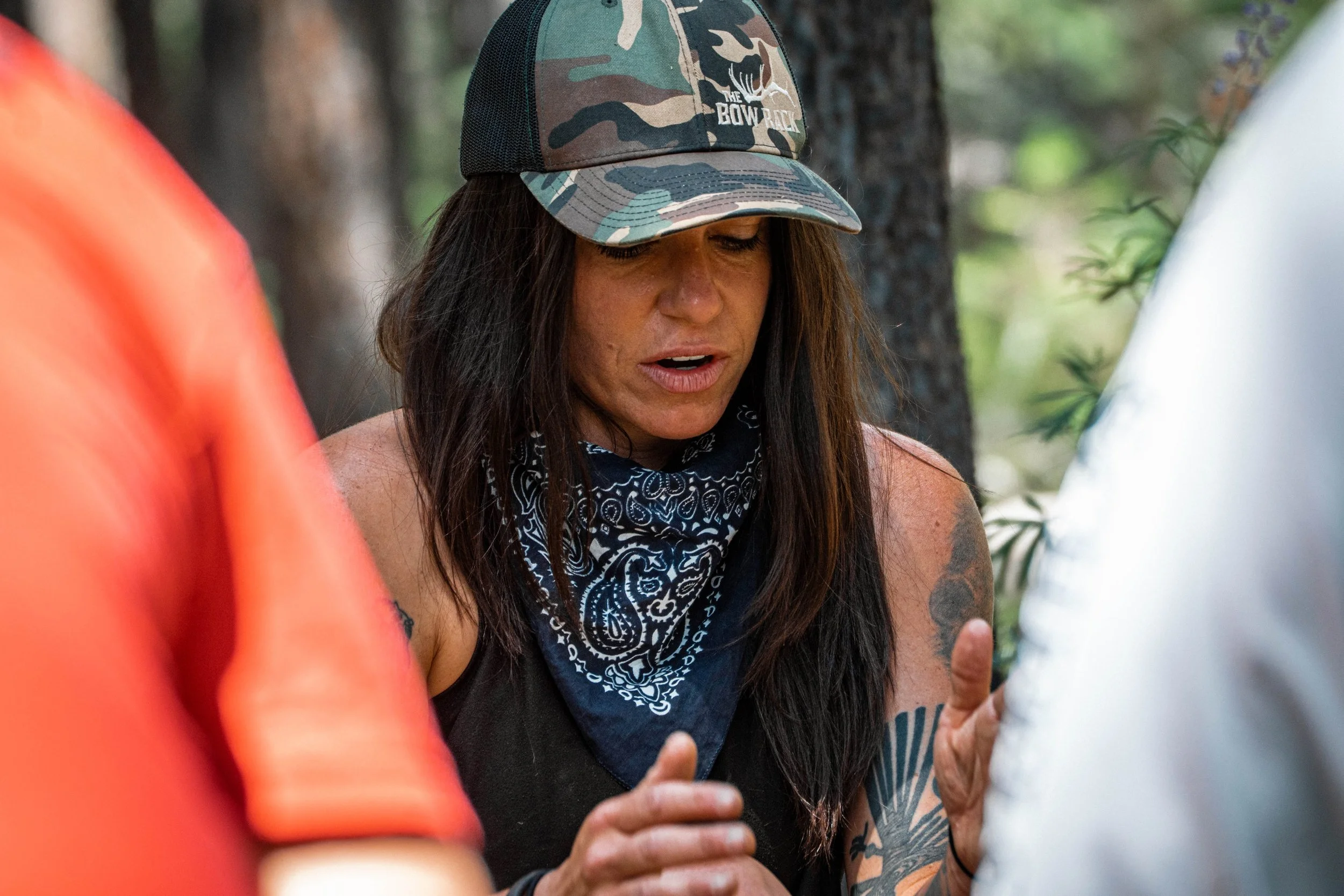
Laura Zerra
built her name surviving on Discovery's Naked and Afraid, and she's regarded as one of the top survivalists working today
Laura Zerra built her name surviving on Discovery's Naked and Afraid, and she's regarded as one of the top survivalists working today. Steven Lee Hall Jr. did the same on Naked and Afraid XL. What he's known for specifically is turning nothing into a working plan when everything's already gone wrong, which is a different skill than looking capable on camera. Both of them were dropped into real conditions with no safety net and no script, and what you're learning at BCI comes from that same skill set, not a performance of it.
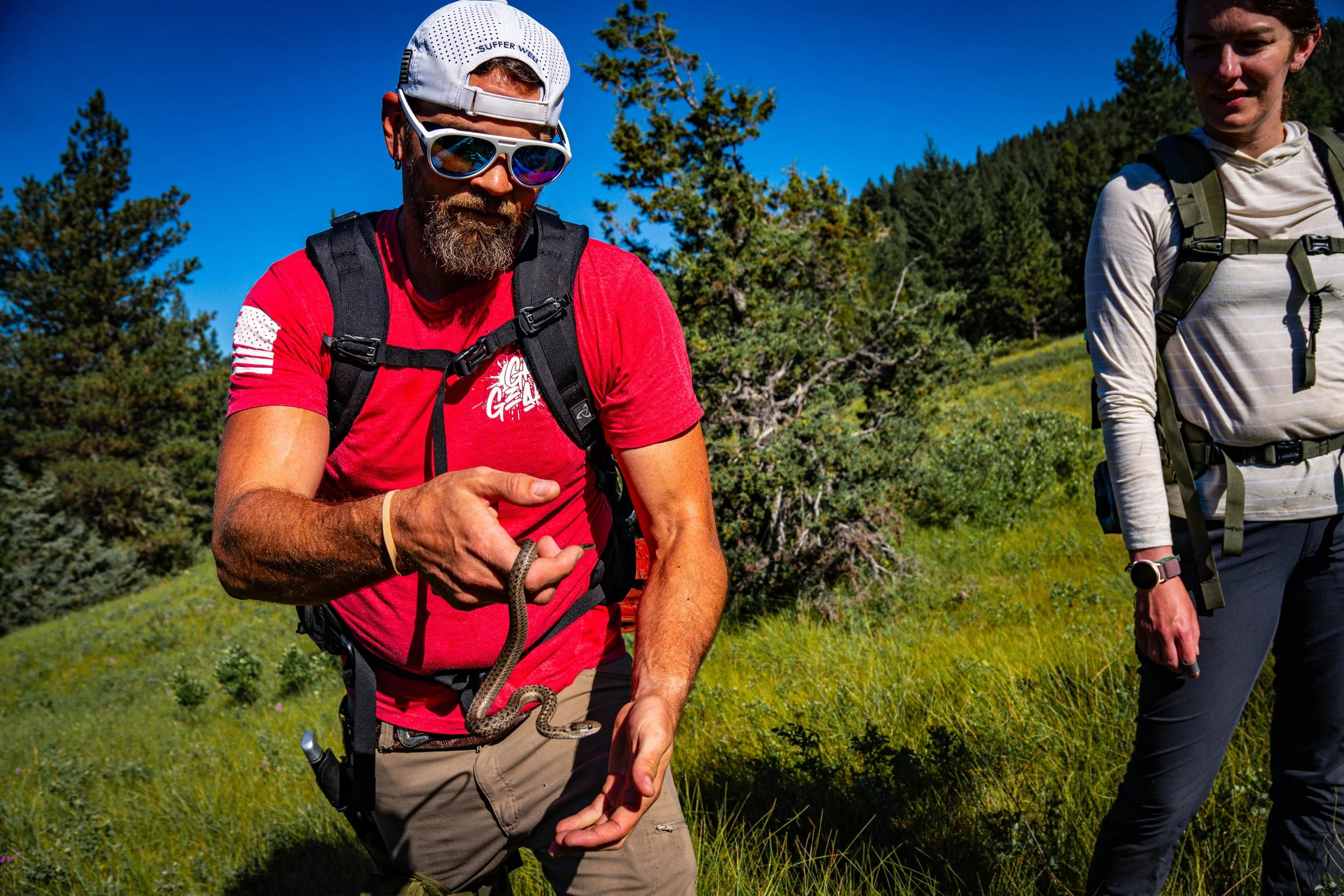
steven lee hall jr.
What he's known for specifically is turning nothing into a working plan when everything's already gone wrong, which is a different skill than looking capable on camera.
The name that isn't from reality television is Tyr Symank, a retired Green Beret and Special Forces medic. His background is keeping people alive under conditions where failure had actual consequences, not narrative stakes. Having him on the cadre changes what this event is. It's not three survivalists doing a live version of a show. It's two people who proved themselves on camera standing next to someone who proved himself somewhere the cameras never went.
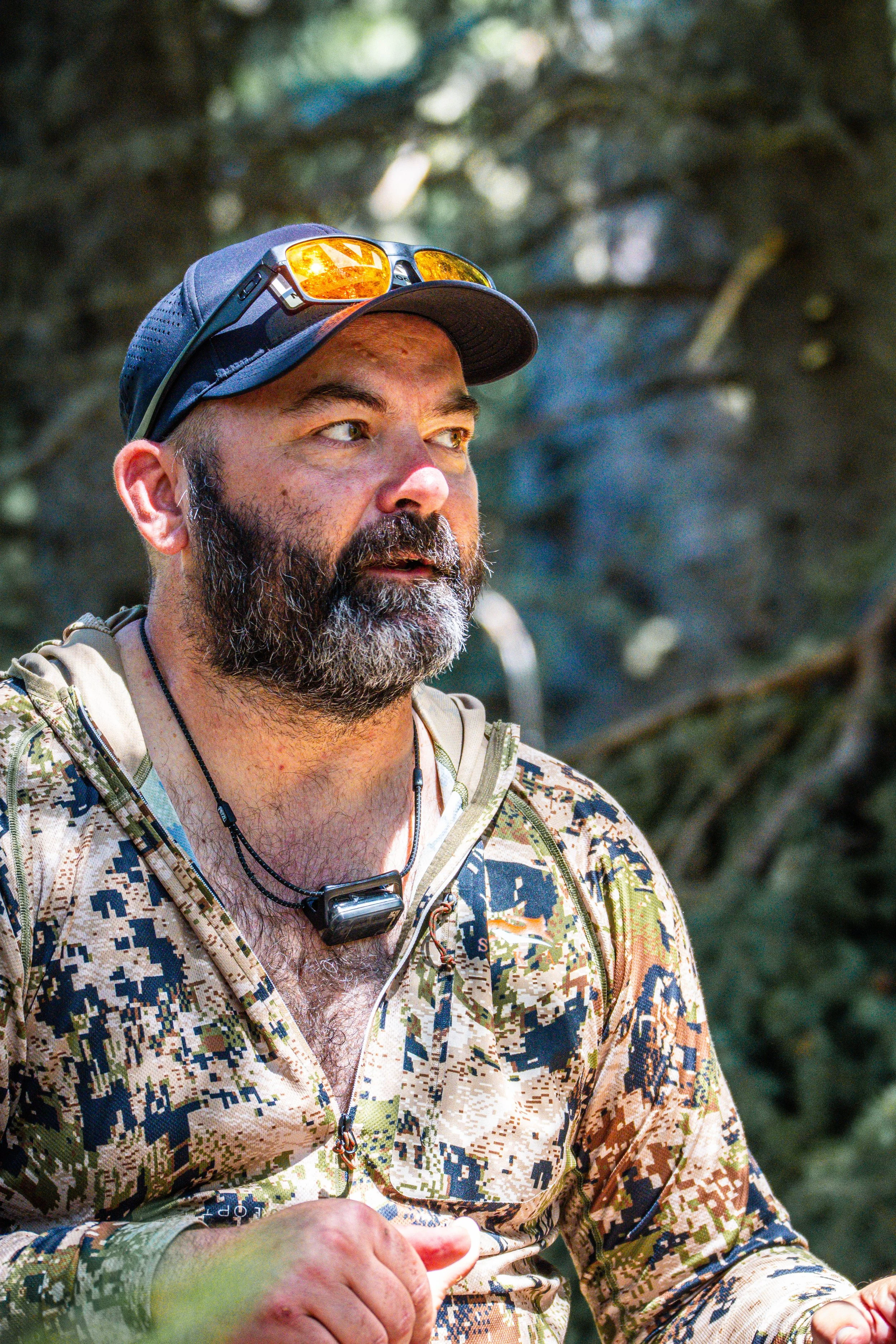
Tyr Symank
a retired Green Beret and Special Forces medic. His background is keeping people alive under conditions where failure had actual consequences, not narrative stakes..
Behind all three is a second group, the veteran cadre: SERE trained instructors, Marine Scout Snipers, Marine Mountain Survival Instructors, and medical professionals. They're the ones running point on the ground every day of the event, and they're why the standard holds even in the sessions the celebrity names aren't personally teaching.
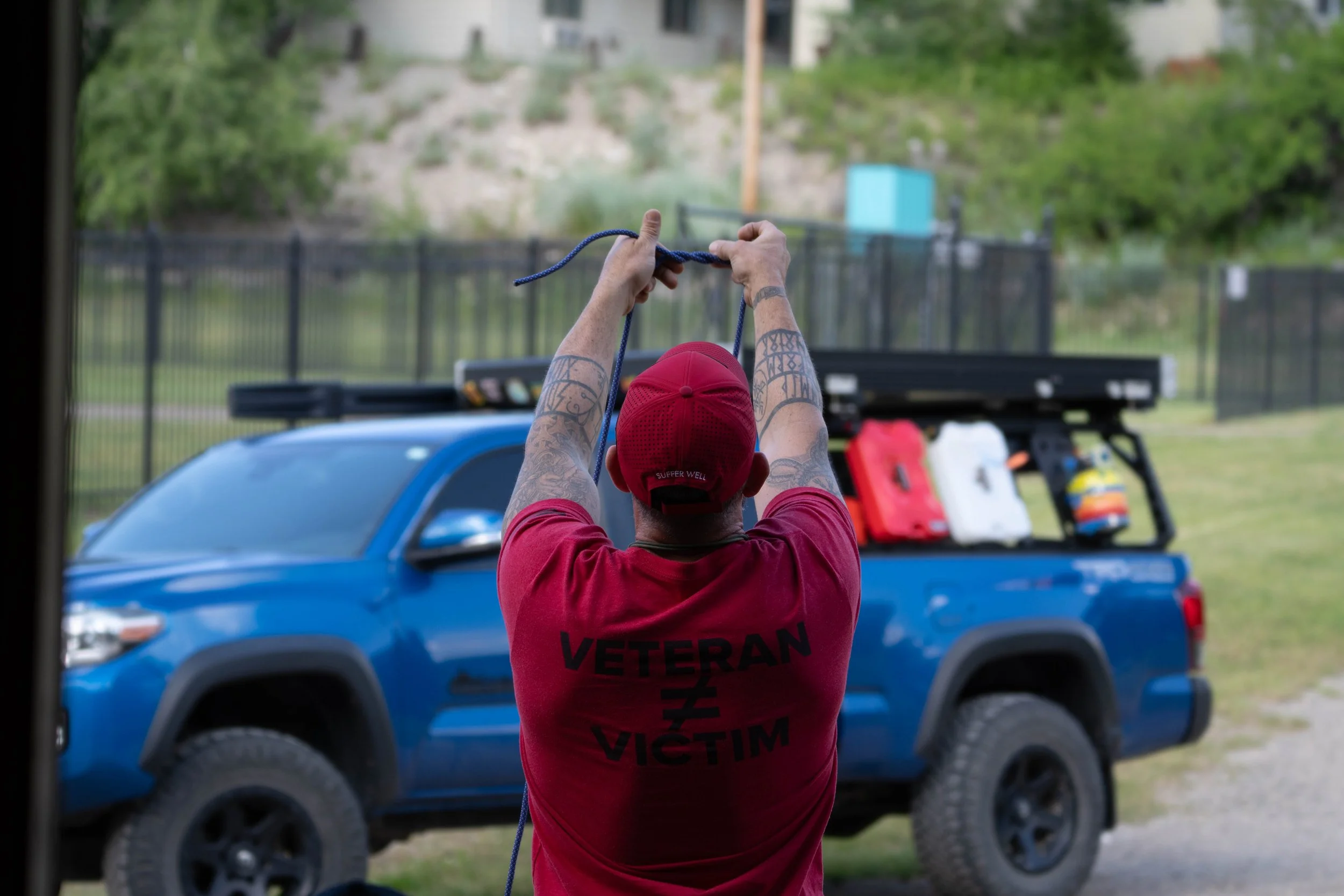
joe miller (veteran cadre) teaching about knots
What Four Days of Survival Training Actually Covers
The curriculum is built in a progression, not a grab bag of survival tricks. It starts with core survival skills: fire craft, shelter building, water procurement and purification, food procurement, signaling and rescue, camp safety, and knots, the fundamentals everything else depends on. From there it moves into tactical and wilderness skills: land navigation, evasion and camouflage, trapping and primitive hunting, tracking, self defense, knife and axe handling. Then advanced and emergency skills: backcountry trauma medicine, cold weather and heat survival, emergency improvisation, long term survival strategy, bushcraft, night operations. And finally mindset and mental resilience: decision making under pressure, breathing and meditation, and survival case studies pulled from people who've actually lived through the real thing.
That order matters. You're not thrown into advanced trauma medicine before you can start a fire in bad weather. You build the base first, then layer on the skills that matter when things go wrong, then work on the mental side that decides whether you use any of it when it counts.
What It Costs and What You Get
A ticket runs $3000 for early bird pricing, and here's what that actually buys.
You walk out with more than a thousand dollars in field tested gear from mission partners: Mystery Ranch packs, Montana Knife Company blades, a six month MTNTough training membership, plus gear from STIHL, Exotac, and FHF Gear. This isn't event swag. It's the same equipment these partners build for people who use it professionally, and it's yours to keep.
Lodging and food are covered for all four days, start to finish. You're not managing where you sleep or what you're eating. Every bit of energy you bring goes into the training itself.
And you get direct instruction from people most survival courses can't get near, Naked and Afraid alumni, a retired Green Beret, and a veteran cadre trained in SERE and mountain survival, not a curriculum written by someone who read about it.
Where the Money Actually Goes
This is the part that separates BCI from every other survival course you'll find searching this topic. It's not a business. It's Montana Vet Program's biggest public fundraiser, and every ticket sold goes directly toward funding Veteran Led Therapeutic Adventure Trips, the wilderness trips that get veterans out of Montana's backcountry with tools that outlast the trip.
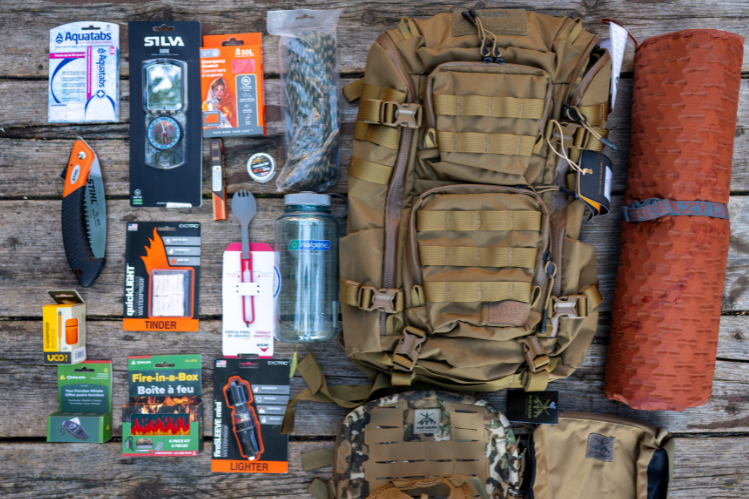
2026 bci gear (each year may differ, but is roughly the same)
To be clear on what BCI is not: it's not one of those veteran trips. It's the event that helps pay for them. If you're trying to understand how MVP's programs fit together, that's the line. VLTATs are the veteran programming. BCI is the fundraiser that helps make them possible, run by teaching civilians real survival skills instead of asking for a donation with nothing behind it.
What People Who've Done It Say
"The 'share your survival story' session was incredibly meaningful. And of course, the Pig Egg. Including it in BCI and taking the time to talk about its significance is incredibly important. It serves as a powerful reminder of the sacrifices that were made and helps connect participants to the deeper purpose behind MVP's mission." That's Keren Zucker.
"We learned bushcraft from Laura Zerra and Steven Lee Hall Jr and wilderness first aid from Tyr Symank. Best in class instructors make a first class experience." That's Adam Thomas.
"Classes were short but packed with great information. The best part was being able to go apply concepts in real backcountry scenarios." That's Tristan Richter.
None of them are describing a curated brush with minor celebrities. They're describing instruction that held up once they had to use it.
Is This Actually For You
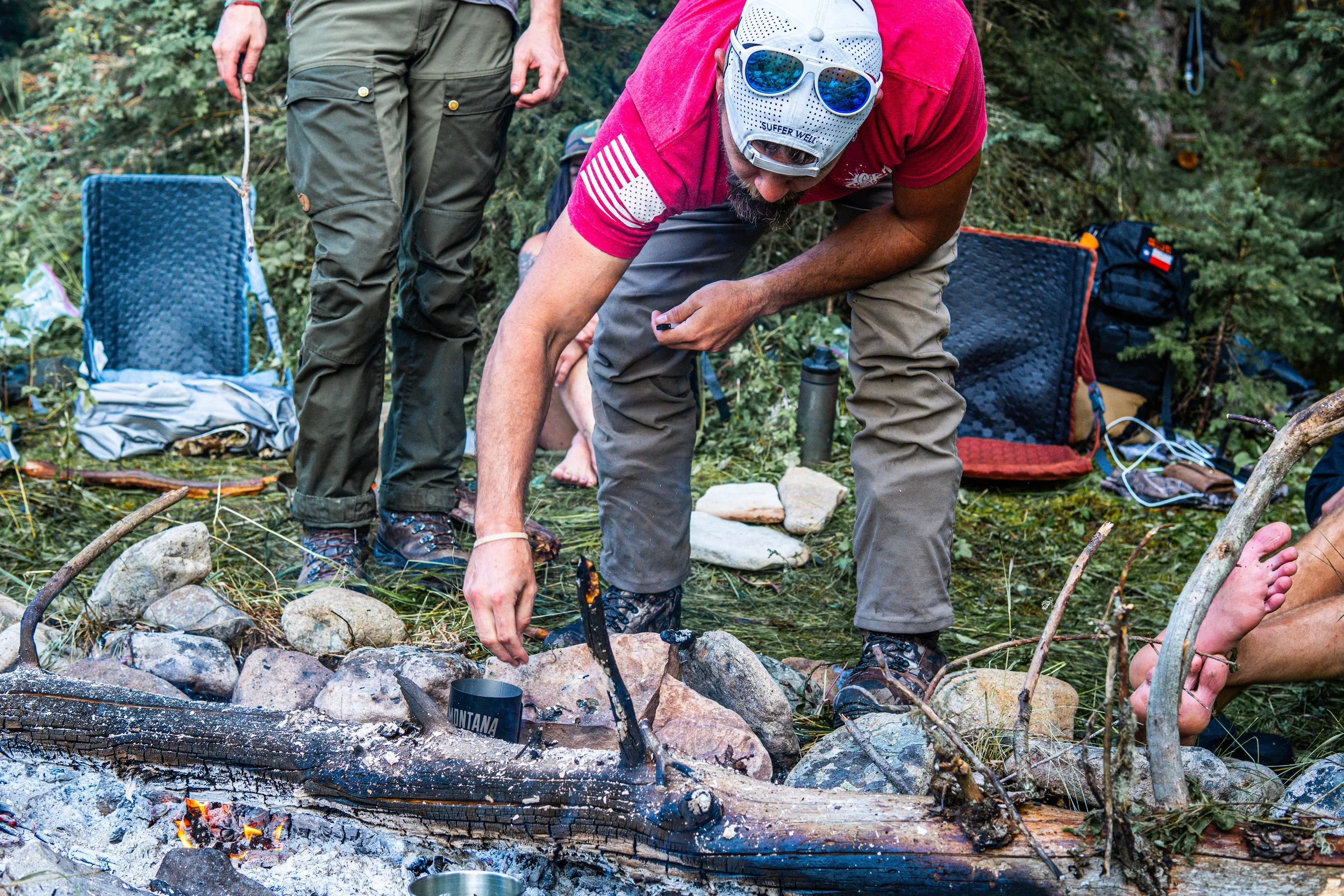
steven lee hall jr. preparing foraged food by the fire
You don't need to have served. You don't need prior survival experience. What you need is four days and a willingness to work, because this isn't a passive event built around watching people you recognize demonstrate skills at a distance. You're doing it yourself, under people who've done it when it mattered.
Montana Backcountry Immersion runs once a year. If what you've read here is what you were actually trying to find out, whether this is real, what it teaches, what it costs, and where the money goes, now you know. The rest is deciding whether you're ready to show up for it.
